Why Body Fat Percentage Matters
Body fat percentage is a key health metric that indicates the proportion of fat mass to total body weight. Unlike BMI, which only considers height and weight, body fat percentage accounts for body composition, helping distinguish between fat and muscle. This makes it essential for athletes, fitness enthusiasts, and anyone focused on long-term health, as high levels can increase risks for conditions like heart disease and diabetes, while very low levels may lead to hormonal imbalances.
Health Implications of Body Fat
Maintaining an optimal body fat percentage supports metabolic health, energy levels, and physical performance. For men, a healthy range is typically 10-20%, while for women, it's 18-28%, though these vary by age and activity level. By tracking this metric, you can set realistic fitness goals and make informed decisions about diet and exercise.
Methods to Calculate Body Fat Percentage
Several methods are available, each with varying accuracy, cost, and accessibility. We'll cover the most common ones, from simple at-home tools to advanced clinical techniques.
Skinfold Calipers
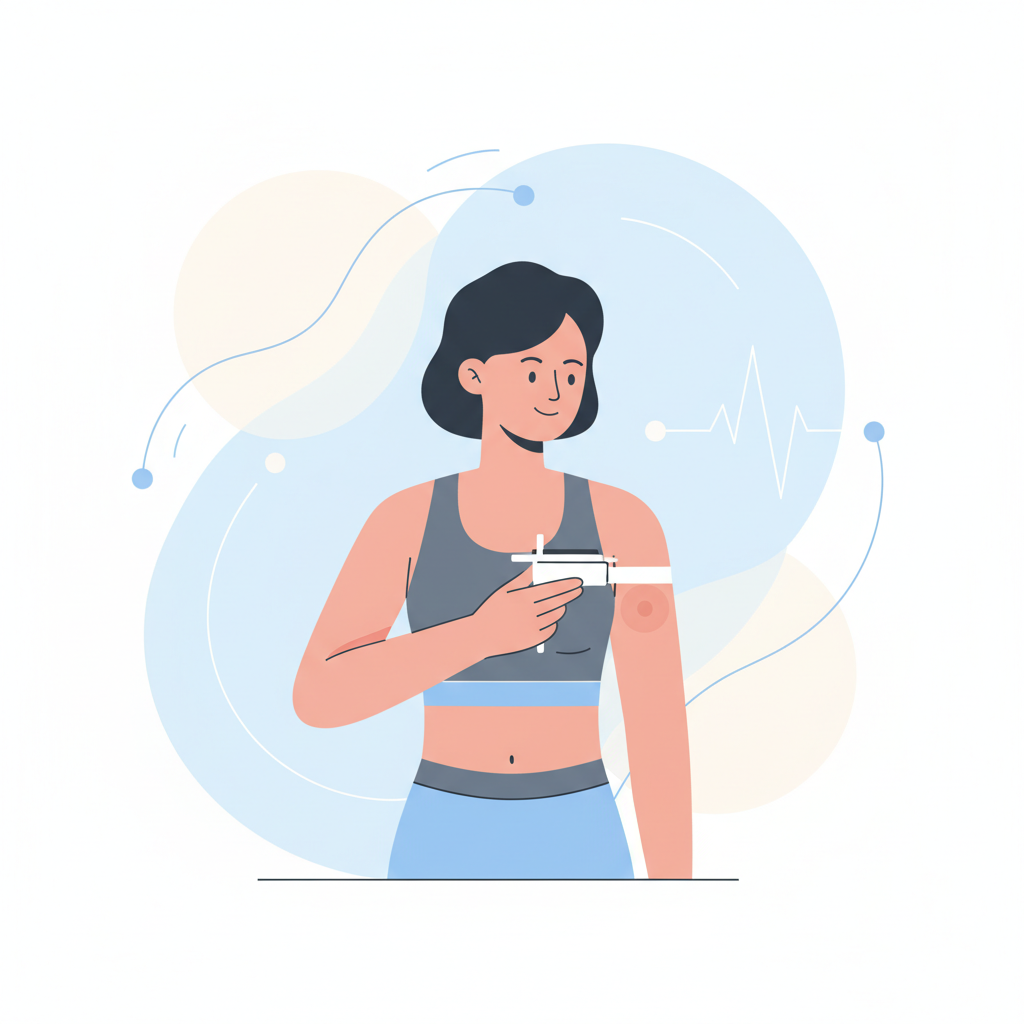
Skinfold calipers are a popular, low-cost method that measures fat thickness at specific body sites, such as the abdomen, thigh, and triceps. By pinching the skin and using calipers, you can estimate body fat percentage based on standardized equations.
- How to Use: Pinch the skinfold, apply the calipers, and record measurements in millimeters. Use a calculator or formula (e.g., Jackson-Pollock) to derive the percentage.
- Pros: Affordable, portable, and easy for self-use with practice.
- Cons: Accuracy depends on user skill; errors can occur due to improper technique or hydration levels.
Bioelectrical Impedance Analysis (BIA)
BIA devices, such as smart scales or handheld units, send a low-level electrical current through the body to estimate body fat by measuring resistance. Fat tissue conducts electricity differently than muscle, allowing for quick calculations.
- How to Use: Stand on a BIA scale or hold the device, ensuring consistent conditions (e.g., same time of day, hydrated state).
- Pros: Non-invasive, fast, and convenient for home use.
- Cons: Accuracy can be affected by factors like hydration, food intake, and recent exercise; not as precise as clinical methods.
Dual-Energy X-ray Absorptiometry (DEXA)
DEXA scans are considered the gold standard for body composition analysis, using low-dose X-rays to differentiate between fat, muscle, and bone mass.
- How to Use: Performed in a clinical setting; you lie still while the scanner takes detailed measurements.
- Pros: Highly accurate, provides comprehensive data on regional fat distribution.
- Cons: Expensive, requires professional access, and involves minimal radiation exposure.
Other Methods
- Hydrostatic Weighing: Involves underwater weighing to measure density; very accurate but less accessible.
- Bod Pod: Uses air displacement to assess body composition; similar accuracy to DEXA but more niche.
- Circumference Measurements: Simple tape measurements combined with formulas (e.g., Navy method) can provide rough estimates.
Tips for Accurate Measurements
To get reliable results, follow these best practices:
- Consistency: Measure at the same time of day, under similar conditions (e.g., before eating or exercising).
- Hydration: Stay well-hydrated, as dehydration can skew BIA and other methods.
- Professional Guidance: For methods like calipers, consider training or using a certified trainer to reduce errors.
- Track Trends: Focus on changes over time rather than single readings, as daily fluctuations are normal.
Using Fitness Calculators for Body Fat
Fitness calculators can simplify the process by automating formulas and providing insights. Look for tools that:
- Incorporate multiple methods (e.g., caliper inputs or BIA data).
- Offer personalized recommendations based on goals.
- Are backed by scientific research, like those on BodyMetrics.Pro.
Recommended Calculators
- BodyMetrics.Pro Body Fat Calculator: Integrates various inputs for a comprehensive estimate.
- Online BIA Tools: Many free websites use basic formulas, but verify their sources for accuracy.
- Mobile Apps: Apps like MyFitnessPal often include body fat tracking features.
Interpreting Your Results
Once you have your body fat percentage, compare it to standard ranges to assess your health status. Remember, individual factors like genetics and lifestyle play a role, so use this data as a guide, not an absolute measure. If your percentage is outside healthy ranges, consult a healthcare professional for personalized advice.
Conclusion
Calculating your body fat percentage is a powerful step toward better health and fitness. By choosing the right method—whether it's affordable calipers, convenient BIA, or precise DEXA—and using reliable fitness calculators, you can monitor your progress effectively. Start today to gain deeper insights into your body composition and achieve your wellness goals.