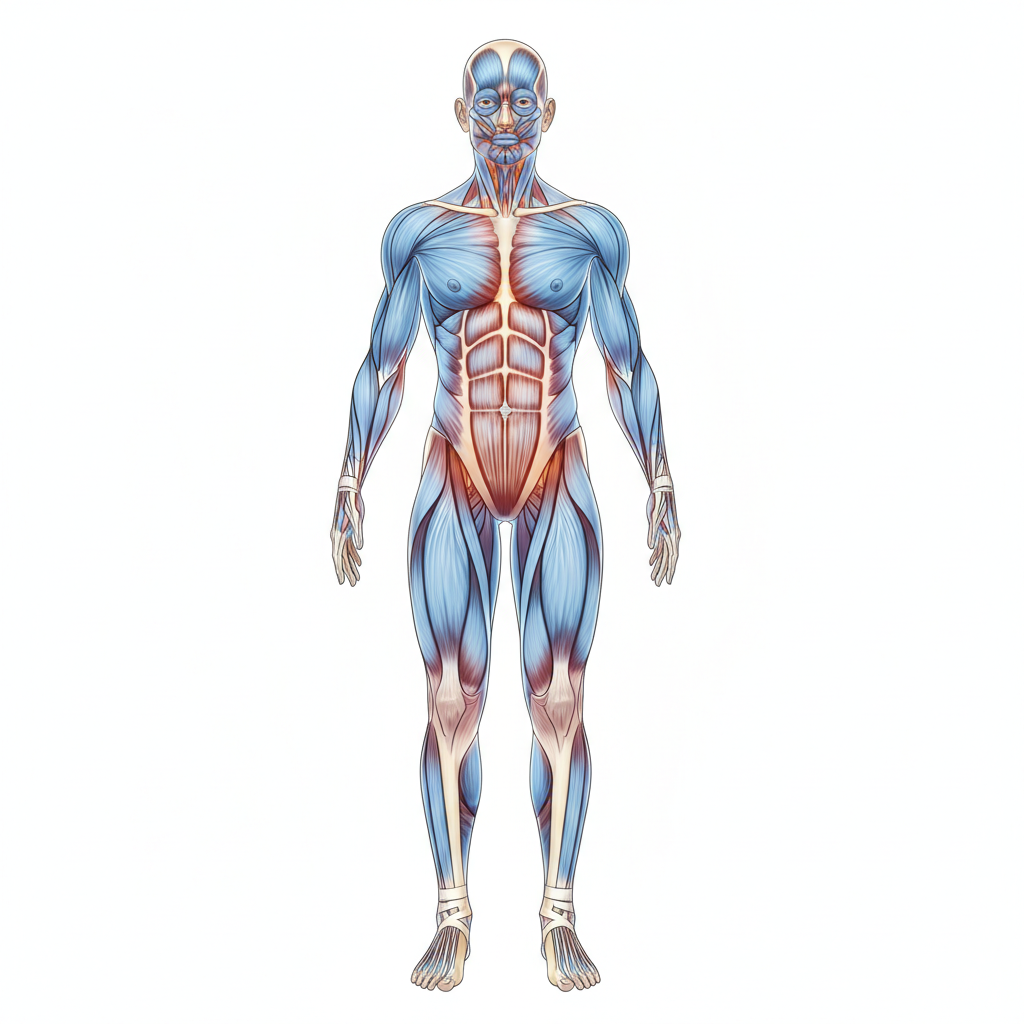
What is Hypertrophy and How Does It Work?
Hypertrophy refers to the increase in size of muscle cells, typically triggered by resistance training like weight lifting. This process occurs when muscle fibers experience microscopic damage during exercise, prompting the body to repair and reinforce them, resulting in larger, stronger muscles. There are two primary types of hypertrophy: sarcoplasmic, which involves an increase in the fluid and energy-storing components of the muscle, and myofibrillar, which involves an increase in the contractile proteins that generate force. Both types contribute to overall muscle mass and function, playing crucial roles in health beyond mere appearance.
The Mechanisms Behind Muscle Growth
Muscle growth isn't just about lifting heavy weights; it's a complex biological process. When you engage in strength training, you create tension and micro-tears in muscle fibers. This signals satellite cells—specialized stem cells in muscle tissue—to activate and fuse with existing fibers, donating nuclei that enhance protein synthesis. Hormones like testosterone, growth hormone, and insulin-like growth factor 1 (IGF-1) also play key roles in regulating this process. Proper nutrition, especially adequate protein intake, provides the building blocks for repair, while rest allows the body to complete the recovery cycle. Understanding these mechanisms helps optimize training for both hypertrophy and health.
Metabolic Benefits: Boosting Your Engine
One of the most significant health impacts of hypertrophy is its effect on metabolism. Muscle tissue is metabolically active, meaning it burns calories even at rest. Increasing muscle mass through hypertrophy raises your basal metabolic rate (BMR), helping you maintain a healthy weight and reduce the risk of obesity-related conditions like type 2 diabetes and heart disease.
Improved Insulin Sensitivity and Glucose Control
Hypertrophy enhances insulin sensitivity, allowing your body to use glucose more efficiently. This is crucial for preventing and managing type 2 diabetes. Studies show that resistance training can improve glycemic control by increasing glucose uptake into muscle cells, reducing reliance on medication in some cases. Strasser and Schobersberger (2011) surveyed evidence that resistance training can serve as a treatment-oriented strategy in obesity—an important context where insulin resistance and dysglycemia often cluster—published in Journal of Obesity.
Enhanced Fat Oxidation and Weight Management
Building muscle doesn't just burn calories during workouts; it also promotes fat oxidation (fat burning) at rest. Hypertrophy increases the activity of enzymes involved in lipid metabolism, making it easier to shed excess body fat. This is particularly important as we age, since muscle mass naturally declines, leading to a slower metabolism. By engaging in weight training, you can counteract this trend, supporting sustainable weight management and reducing the risk of metabolic syndrome.
Bone and Joint Health: Strengthening Your Foundation
Hypertrophy isn't limited to muscles; it also strengthens bones and joints. Weight-bearing exercises stimulate bone remodeling, increasing density and reducing the risk of osteoporosis and fractures. This is especially vital for postmenopausal women and older adults, who are more susceptible to bone loss.
Increased Bone Mineral Density
When muscles contract against resistance, they pull on bones, triggering osteoblasts—cells that form new bone tissue—to deposit minerals like calcium and phosphorus. In a 1999 review in Medicine and Science in Sports and Exercise, Layne and Nelson summarized how progressive resistance training can support bone mineral density—relevant for anyone focused on osteoporosis and fracture prevention, including postmenopausal women and older adults.
Joint Stability and Injury Prevention
Strong muscles provide better support for joints, reducing the likelihood of injuries like sprains and arthritis. Hypertrophy around key areas such as the knees, shoulders, and back enhances stability, improving posture and mobility. This is why physical therapists often incorporate resistance exercises into rehabilitation programs for joint issues.
Cardiovascular and Longevity Benefits
While cardio exercise gets most of the attention for heart health, hypertrophy plays a complementary role. Strength training improves cardiovascular function by lowering blood pressure, reducing bad cholesterol (LDL), and increasing good cholesterol (HDL). These changes contribute to a lower risk of heart disease and stroke.
Blood Pressure Regulation
Resistance training has been shown to reduce systolic and diastolic blood pressure by promoting vascular health and reducing arterial stiffness. Westcott (2012), reviewing resistance training as a broad "medicine" for health in Current Sports Medicine Reports, discusses blood pressure among the cardiometabolic outcomes that well-designed strength programs can improve—without replacing medications when your clinician has prescribed them.
Longevity and Reduced Mortality Risk
Building muscle is linked to a longer, healthier life. Observational analyses such as Kraschnewski et al.'s (2016) study on long-term health benefits of muscle-strengthening exercise in older adults, in American Journal of Epidemiology, illustrate why strength-focused habits merit a place beside walking and cardio. Hypertrophy supports longevity by combating age-related sarcopenia (muscle loss), maintaining functional independence, and reducing the incidence of chronic diseases.
Mental Health and Cognitive Function
The benefits of hypertrophy extend to the brain, influencing mental health and cognitive performance. Exercise-induced muscle growth releases endorphins and other neurochemicals that alleviate stress, anxiety, and depression.
Mood Enhancement and Stress Reduction
Strength training triggers the release of endorphins, often called "feel-good" hormones, which can improve mood and reduce perceptions of pain. Additionally, hypertrophy increases levels of brain-derived neurotrophic factor (BDNF), a protein that supports neuron health and resilience to stress. Gordon et al.'s (2017) meta-analysis in JAMA Psychiatry reported that resistance exercise training was associated with lower depressive symptoms across randomized trials—welcome evidence for trainees who lift partly for mood.
Cognitive Benefits and Neuroprotection
Muscle growth may protect against cognitive decline and neurodegenerative diseases like Alzheimer's. By promoting blood flow to the brain and reducing inflammation, hypertrophy supports memory, attention, and executive function. That brain–muscle pathway is still an active topic in dedicated cognition trials; in parallel, observational work such as Kraschnewski et al.'s (2016) analysis in American Journal of Epidemiology shows how muscle-strengthening exercise tracks with lasting health dividends in older adults—extra incentive to maintain strength alongside other preventive habits.
Practical Tips for Healthy Hypertrophy
To reap these health benefits, focus on a balanced approach to hypertrophy that prioritizes safety and sustainability. Aim for 2-3 strength training sessions per week, targeting all major muscle groups with exercises like squats, deadlifts, and presses. Gradually increase resistance to progressive overload, and ensure adequate protein intake (e.g., 1.6-2.2 g/kg of body weight daily) and rest for recovery.
Avoiding Common Pitfalls
Overtraining, poor form, and neglecting nutrition can hinder progress and increase injury risk. Listen to your body, incorporate variety to prevent plateaus, and consider consulting a fitness professional for personalized guidance. Remember, the goal is long-term health, not just short-term gains.
Conclusion
Hypertrophy is a powerful tool for enhancing overall health, far beyond its aesthetic appeal. By engaging in regular strength training, you can boost metabolism, strengthen bones, support heart health, and improve mental well-being. Embrace muscle growth as a lifelong investment in your vitality and longevity.